In business-to-business appointment settings, 2025 is the year of clarity, focus, and genuine human connection. With buying cycles becoming more complex and attention spans shrinking, the way companies secure high-quality meetings is evolving rapidly. The old methods of templated outreach and bulk cold emails are not only ineffective but also damaging to your brand.
To stand out and win in this environment, appointment setters must blend technology, psychology, and strategic timing. They must understand that B2B buyers now expect tailored outreach based on their challenges and industry. Getting that initial meeting requires more than a pitch; it requires relevance, timing, and trust.
This year, top-performing sales teams are adopting a hyper-personalised approach backed by real-time data. They use AI and automation not to replace human touch, but to enhance it. They understand the importance of multiple contact attempts through various channels and that value-driven messaging is the new norm.
If your team is not evolving, it is falling behind. These five tips are not just best practice; they are the baseline. Whether you manage an SDR team or send emails yourself, this guide will help you improve your appointment-setting game, optimise your B2B lead generation process, and create repeatable systems for B2B outbound sales success.

Speak in Clear Everyday Language
Avoid jargon, fancy phrases or awkward industry terms. If your message feels like a conversation, it invites a response. Instead of saying “synergise our vertical touchpoints,” try “let’s talk about what matters most to your team.” People appreciate direct, human language. Keep sentences short, friendly and honest.
In B2B outbound sales, long, complicated pitches fall flat. A simple message that highlights real business value is more likely to grab attention and lead to a meeting. Your goal is to book qualified sales meetings, not confuse your prospects.
Make sure your subject lines are just as precise. Email open rates improve significantly when people know what to expect. Clarity in tone builds trust early. Use specific, concrete terms and avoid unnecessary details. “10-minute call to fix your inventory sync” works better than “streamline your digital success.”
When your message is clear and easy to understand, it becomes easier to act on. That is what leads to meetings.
Make B2B Appointment Setting Personal
Personalisation is the core of B2B appointment setting in 2025. Use data to tailor your outreach to your prospect’s industry, role, or recent activity. Whether through cold emailing or cold calling, adding a personal touch can improve your chances.
According to LinkedIn’s 2024 State of Sales report, personalised outreach delivers 20% higher response rates. Mention a specific business challenge, a shared contact, or a relevant use case. Let them know you have done your homework.
The more your outreach sounds like it was written just for them, the better. That does not mean writing every email from scratch, but it does mean doing more than changing the first name. Use signals such as job changes, funding rounds, or content they have shared.
Buyers are busy. When your message shows that you genuinely understand their goals or pressures, you earn the right to ask for their time.

B2B Lead Generation Starts with Relevance
To succeed in B2B appointment setting, your lead list must be clean, targeted, and aligned with your ideal customer profile. Mass outreach without filters can harm reply rates and damage your domain reputation.
Hubspot found that companies using ICP-driven targeting generated 68% more qualified leads than companies using basic firmographics. Invest in better targeting tools, lead scoring systems, and research. Appointment setting is no longer a numbers game. It is a relevant game.
Relevance also means timing. Reaching out just before budget planning or at the start of a quarter improves your chances of a yes. Use buyer intent data, trigger events, and behavioural signals to time your outreach.
In B2B lead generation, being relevant is more valuable than being early. Irrelevant outreach gets ignored. Relevant outreach gets meetings.
Smart Follow-Up Wins Deals
Most B2B outbound sales fail because reps stop too early. Research from RAIN Group shows that it takes an average of 8 touches to book a first meeting. Yet 44% of reps give up after just one follow-up.
Utilise structured follow-up sequences with varied touchpoints, including email, LinkedIn, phone, and voice notes. Be politely persistent. A well-timed message on day 12 might convert better than the first one on day 1. Keep following up until you get a yes or a no.
Each follow-up should offer value. Do not just say “checking in.” Offer a new resource, an insight about their market, or a short case study. Persistence is powerful, but relevance in follow-up is what sets professionals apart from spammers.
Track every attempt. Tools like Salesloft or Outreach help you manage cadence, timing, and copy versions. The goal is to maintain consistent follow-up without sounding robotic.
Leverage Tools Without Losing the Human Touch
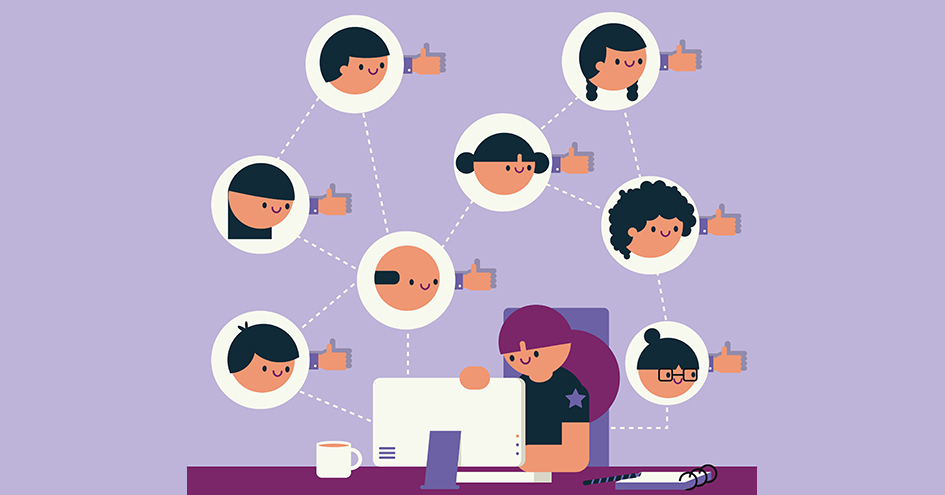
In 2025, sales reps have access to AI assistants, email sequencers, CRM integrations, and lead scoring engines. But the key is to use them to support, not replace, the human element.
According to Salesforce’s Trends in Sales 2024 report, teams that use automation for non-selling tasks have 28% more time for prospecting. That is how you scale your B2B appointment setting efforts while keeping the outreach authentic.
Utilise AI to streamline tasks such as prospect research, meeting scheduling, and CRM updates. But write your core outreach messages yourself. Use your voice. People buy from people, not programs.
Tech should serve your message, not define it. Use calendar tools like Calendly or Chilli Piper to let prospects self-book, and pair that with human outreach. AI can prep your lead list, but your words still need to open the door.
A Day in the Life of Modern B2B Appointment Setting
Imagine you are an outbound rep. You log into your CRM dashboard and see high-scoring leads, thanks to predictive AI. Your system gives you next-best-action prompts. You send a plain-spoken, customised email about how your software helps their team reach goals.
If you do not hear back within a few days, please call. You mention a recent event or a shared LinkedIn connection. If there is still no response, the system triggers a follow-up email sequence and a reminder link to allow users to self-schedule a time. You leave voicemails where you humanly say: “I would love 15 minutes to see if we can save you time on X.”
You hit send, then block your calendar for an afternoon of video demos. You follow up once more after that. Statistics indicate that it takes five to eight touches for most meetings. After your sixth outreach, you get a booking.
That appointment is set not through generic blasting, but through targeted, timed, personal, and data-backed efforts.
Why These Five Steps Matter Together
Without a simple message, they will skip it. Without relevance, you will not get a reply. Without B2B lead generation, you will not get prospects. Without B2B outbound sales tactics, you will not get meetings. Without follow-up and the right tools, you will fall behind.
Together, these five elements form a modern B2B appointment setting strategy: identify the right people, reach out with genuine interest, engage with persistence, and scale efficiently with innovative tools.

FAQ
- What is B2B appointment setting, and why is it important? B2B appointment setting is about arranging meetings between your sales team and potential business customers. It is critical because a booked meeting is your first step toward a sale and building long-term relationships.
- How many times should I follow up before giving up? Ideally, five to eight times. Data shows most deals close after multiple touches, yet nearly half of reps quit after just one. (RAIN Group)
- How can I reduce no-shows? Use calendar invites, automated reminders, and self-service rescheduling links. Reminder tools drop no-show rates by up to 90 per cent in appointment-based businesses. (Chilli Piper)
- Is AI necessary for appointment setting? AI is not mandatory, but it helps. Sales teams using AI save time, identify better leads, and increase meeting conversion rates. Use it to prioritise leads and automate admin tasks, not to replace the representative. (McKinsey)
- What is the best time to reach out? Tuesday and Thursday mornings remain high-response windows. Use those times for your best emails and cold calls, and stagger LinkedIn activity mid-week. (Martal Group)
- How much does outsourcing appointment setting help? Outsourcing can improve speed to pipeline and reduce lead cost by over 30 per cent, primarily if your internal team is focused on closing rather than prospecting. (Martal Group)
Results You Can Expect
B2B appointment setting in 2025 is not about brute force. It is a human, data-driven process that depends on precision, persistence, and personalisation. Sales professionals must focus on building trust and delivering relevant messaging from the first touchpoint. Buyers today are flooded with messages daily, so cutting through the noise means being both strategic and authentic.
Speak plainly, and avoid fluff that wastes your prospect’s time. Tailor your message to resonate with their role, goals, and timeline. Personalise your outreach using real insights, not just the name or company field. Highlight something unique to them, like a new funding announcement or a product launch.
Focus on high-quality B2B lead generation by refining your ideal customer profile and using intent signals to prioritise outreach. This is not just a numbers game; it’s about connecting with the right people at the right moment.
Follow up with consistency and creativity. It often takes multiple touches to convert interest into action, but each one should offer value. Use the right tools to enhance productivity, not replace your voice. With this approach, you will build a healthier pipeline and book meetings with prospects who are more likely to convert.
Put these tips into practice, and you’ll book more meetings with the right buyers. When your outreach is thoughtful, timely, and supported by data, your chances of securing a meaningful conversation increase significantly. These are not just tips; they are essential tools for cutting through the noise in an increasingly competitive sales landscape.
By embracing relevance, personalisation, and persistence, your approach becomes more than a sales pitch. It becomes a business conversation. This is what buyers are looking for in 2025: partners who understand their world, not vendors trying to push a product.
The results speak for themselves. More booked meetings mean more discovery calls, deeper sales conversations, and higher-qualified opportunities entering your pipeline. That leads to better forecasting, stronger close rates, and shorter sales cycles. And when your calendar is full of prospects who want to talk to you, sales stops feeling like a grind and starts feeling like momentum.
That momentum compounds. Consistent appointment setting drives scalable growth across your team. It improves morale, accelerates revenue, and shows up in every dashboard that matters. So do not just implement these strategies; commit to them. Because the companies winning in 2025 are the ones treating appointment setting like a revenue-generating engine, not a checkbox
Share This Post
Recent Posts
What We Offer
Get Your Quote