According to Salesforce, 92% of all customer interactions happen over the phone.
B2B cold calling has changed dramatically over the years. It is no longer a numbers game where you dial as many people as possible and hope for the best. Today, it is about quality conversations, precise targeting, and strategic timing.
Cold calling remains one of the most effective tools in the B2B lead generation toolbox, but only if you approach it with the proper techniques.
Modern buyers are informed, busy, and often bombarded with sales outreach. To stand out, you must combine the fundamentals of good conversation with the latest data, tools, and best practices.
In this guide, we share 13 B2B cold calling strategies that work in 2025. Whether you are in SaaS, logistics, fintech, or manufacturing, these cold calling best practices will help you connect with decision-makers, book more meetings, and keep your B2B sales pipeline healthy.
:max_bytes(150000):strip_icc()/coldcalling.asp-final-72e00e4f01c645b1861ca99d01f4c772.png)
1. Use sales intelligence before dialling
The result: Call targeted, high-quality prospects with context.
Gone are the days of calling blindly. Sales intelligence tools now give you verified direct dials, in-depth company information, and intent data that tells you when a prospect might be ready to buy.
For example, a SaaS provider can use sales intelligence to target companies actively hiring software engineers, a signal that they may be scaling their tech stack. A logistics solutions company can spot retailers opening new distribution centres and offer technology to optimise their supply chain.
Key features to look for in a sales intelligence platform:
- Verified mobile numbers and direct dials.
- Intent data showing active research on relevant topics.
- CRM enrichment to keep contact records complete.
- LinkedIn integration for rapid pre-call research.
- International coverage for multi-region calling.
With accurate, compliant data, your cold calling success rate improves because every prospect on your list has been carefully qualified.
⚠️ Use providers that are fully GDPR and CCPA-compliant to reduce compliance risk.
2. Simplify your cold call scripts
The result: Keep prospects engaged from the start.
A strong cold call script is short, natural, and easy to adapt. If your opener is long-winded or robotic, you will lose the prospect before you make your point.
Your script should:
- Introduce yourself and your company quickly.
- State an apparent reason for calling.
- Ask one relevant, open-ended question.
For example, if calling in the fintech space:
“Hi Alex, this is Daniel from PaySecure. I noticed your company recently expanded into online payments. I have an idea that could help reduce transaction costs. Is this a good time to share it?”
If calling in manufacturing tech:
“Hi Lisa, this is Mark from FactoryFlow. I understand you recently upgraded your production line. I thought it might be worth discussing a way to cut downtime by 15%.”
Both examples get to the point while inviting the prospect into the conversation.
⚠️ Keep your best-performing scripts stored in your CRM so the whole team can access and adapt them.
Want to see the strategy in action? Click the link to book a demo.
3. Leverage intent and trigger data
The result: Engage prospects when they are ready to talk.
Timing can make or break a cold call. Intent data identifies companies actively researching topics related to your solution. Trigger events highlight when a prospect’s situation has changed and they may be more open to speaking with you.
Common triggers include:
- Funding announcements.
- Hiring a new senior executive.
- Opening a new location.
- Product launches.
For example, a cybersecurity firm can target companies that have just hired a new CISO. A payroll provider can approach firms expanding into multiple countries.
By combining intent and trigger data, you reach prospects when the problem you solve is fresh and relevant.
⚠️ Use at least two triggers or intent signals to prioritise your call list.
4. Use SEO to fuel call lists
The result: Add warm leads to your cold calling pipeline.
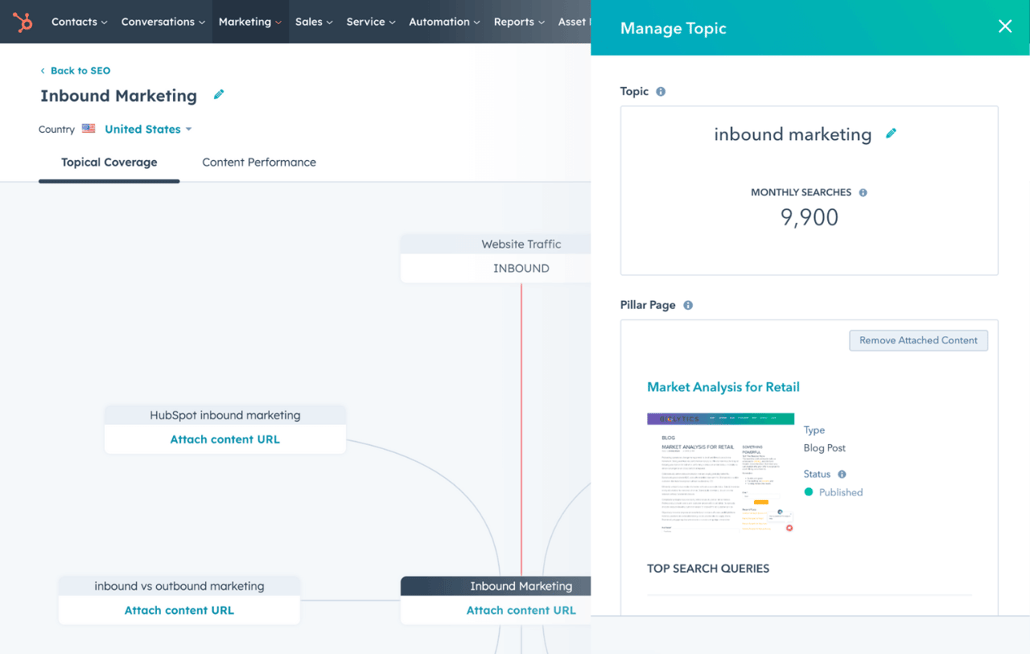
SEO is often seen as purely inbound, but it can be a powerful outbound sales tool. If your site ranks for bottom-of-funnel terms like B2B appointment setting or cold calling best practices, some visitors are already considering a purchase.
For example, if a SaaS company sees repeated visits to its “Top CRM Integrations” blog, the sales team can follow up with a call referencing the visitor’s interest. If a logistics software provider notices traffic to a “Warehouse Optimisation” guide, it can reach out to discuss supply chain improvements.
These are not ice-cold calls; they are warm conversations with prospects already aware of your brand.
⚠️ Coordinate closely with marketing so high-intent traffic is acted on quickly.
5. Launch targeted paid campaigns
The result: Warm up your audience before making the call.
Cold calling works better when your prospects have already heard of you. Paid ad campaigns can create this familiarity.
A fintech firm could run LinkedIn ads showcasing a case study for CFOs in its target accounts. A manufacturing solutions company might use display ads on industry news sites.
The sales team then calls these accounts while the content is still top-of-mind.
Best practices for using paid ads to support cold calling:
- Keep the ad creative aligned with your cold call script.
- Target by job title, industry, and company size.
- Run short bursts of ads before starting calls.
⚠️ Always follow through quickly; the longer you wait, the less effective the familiarity will be.
6. Run retargeting-based call sequences
The result: Convert warmer prospects faster.
Retargeting campaigns ensure your brand stays visible between touchpoints. If a prospect has engaged with your website, downloaded a guide, or attended a webinar, they are far more likely to take your call.
For example, a SaaS company could run retargeting ads to webinar attendees for a week, then call to offer a personalised product demo. A logistics firm could do the same for visitors who viewed its “Fleet Tracking” page.
⚠️ Use engagement data to time calls when interest is highest.
7. Go beyond standard data sources
The result: Find better-qualified prospects.
Large databases like LinkedIn Sales Navigator are valuable, but niche sources often deliver higher-quality leads.
Consider:
- Industry association directories.
- Trade show attendee lists.
- Regional business registries.
For example, an HR software provider can target members of a national HR association. A manufacturing tech firm might reach out to attendees of a significant industry expo.
⚠️ Always validate niche data before outreach to maintain quality.
8. Use AI and automation
The result: Increase calling efficiency and productivity.
AI tools can:
- Generate tailored opening lines from LinkedIn profiles.
- Suggest objection-handling responses.
- Analyse call sentiment in real time.
Automation can queue numbers, drop voicemails, and schedule follow-ups without manual effort. Together, they allow sales teams to focus on live conversations rather than admin tasks.
⚠️ Integrate AI and automation directly into your CRM for smooth workflows.
9. Offer live demos after successful calls
The result: Turn interest into booked meetings.
When a cold call goes well, secure the next step before hanging up. Live demos work because they show rather than tell.
A SaaS provider could tailor a demo to the prospect’s specific workflows. A logistics company could walk through a simulation of delivery route optimisation.
⚠️ Keep demo slots available within 24–48 hours of the call or get in touch with Konsyg’s On-Demand Sales team to avoid delays.

10. Follow up with video
The result: Stand out after the call.
Video follow-ups can recap the conversation, thank the prospect, and reinforce key benefits.
For example, after speaking to a CFO, a fintech firm could send a 45-second video showing the cost savings its platform can deliver. For an operations manager in manufacturing, the video might highlight efficiency improvements.
⚠️ Keep videos short and mobile-friendly for better engagement.
11. Use your professional network
The result: Add trust to every cold call.
Mutual connections can warm up any cold call by instantly increasing trust and lowering barriers. If you notice that you share contacts with your target, consider requesting an introduction through that connection or referencing it at the start of your call, explaining how you know the person and why it is relevant.
This approach works well across industries, from SaaS to manufacturing, because it adds social proof to your outreach. Mentioning a credible mutual contact can make prospects more receptive, improving your chances of progressing the conversation and ultimately boosting your B2B cold calling success rate.
⚠️ Always confirm with the contact before using their name with Konsyg’s lead research & data enrichment.
12. Create a social presence to back up your calls
The result: Improve credibility and recognition.
Prospects will often research you after a call, looking for signs of credibility and expertise.
A LinkedIn profile with regular, valuable posts that highlight your industry knowledge, case studies, and client successes increases trust and positions you as a thought leader in B2B cold calling and sales.
Including relevant keywords in your profile summary and posts can also improve discoverability, helping you appear in more searches from potential prospects.
Engage in relevant discussions, comment on industry news, and share insights that matter to your audience. When they see your name again, your call feels like part of an ongoing conversation.
⚠️ Use Konsyg’s Sales Development Programs for better results.
13. Make cold calling fun with gamification
The result: Keep your team motivated.
Gamification helps sustain energy during high-volume calling days.
Create leaderboards, run contests for most meetings booked, and reward milestones with meaningful incentives such as team outings or professional development vouchers.
You can also introduce themed calling days, spotlight top performers in company-wide updates, and track cold calling success rate improvements over time.
This added visibility not only boosts motivation but also reinforces the importance of consistent activity, helping embed these cold calling best practices into your team culture for sustainable results.
⚠️ Use Konsyg’s cold calling services often so they stay fresh.
Closing more deals with B2B cold calling
B2B cold calling is still one of the most effective ways to generate leads and drive revenue. With the right combination of targeting, timing, and personalisation, it is possible to consistently book meetings with decision-makers and keep your B2B sales pipeline full.
Apply these cold calling best practices in your daily outreach, track your results, and refine your approach. In 2025, the teams that blend data-driven targeting with human connection will be the ones that win.
Share This Post
Recent Posts
What We Offer
Get Your Quote